
Preparing Your Business for Seasonal AI Trends: What to Expect
Understanding Seasonal AI Trends
As businesses continue to embrace digital transformation, leveraging AI technologies becomes essential, especially when preparing for seasonal trends. Understanding these trends can help businesses strategize effectively and stay ahead of the competition. With AI, you can predict consumer behavior, optimize marketing efforts, and improve customer experiences during peak seasons.

Identifying Key Seasonal Trends
Before you can prepare for seasonal AI trends, it’s important to identify which trends are most relevant to your business. This involves analyzing past sales data, market reports, and consumer behavior patterns. AI tools can assist in this analysis, providing insights that may not be immediately obvious through traditional methods.
Leveraging AI for Predictive Analytics
Predictive analytics powered by AI can significantly enhance your ability to forecast demand and manage inventory. By analyzing historical data and current market conditions, AI can predict future trends with remarkable accuracy. This allows businesses to optimize stock levels, reduce waste, and ensure they are prepared for increased demand.

Enhancing Customer Experience Through Personalization
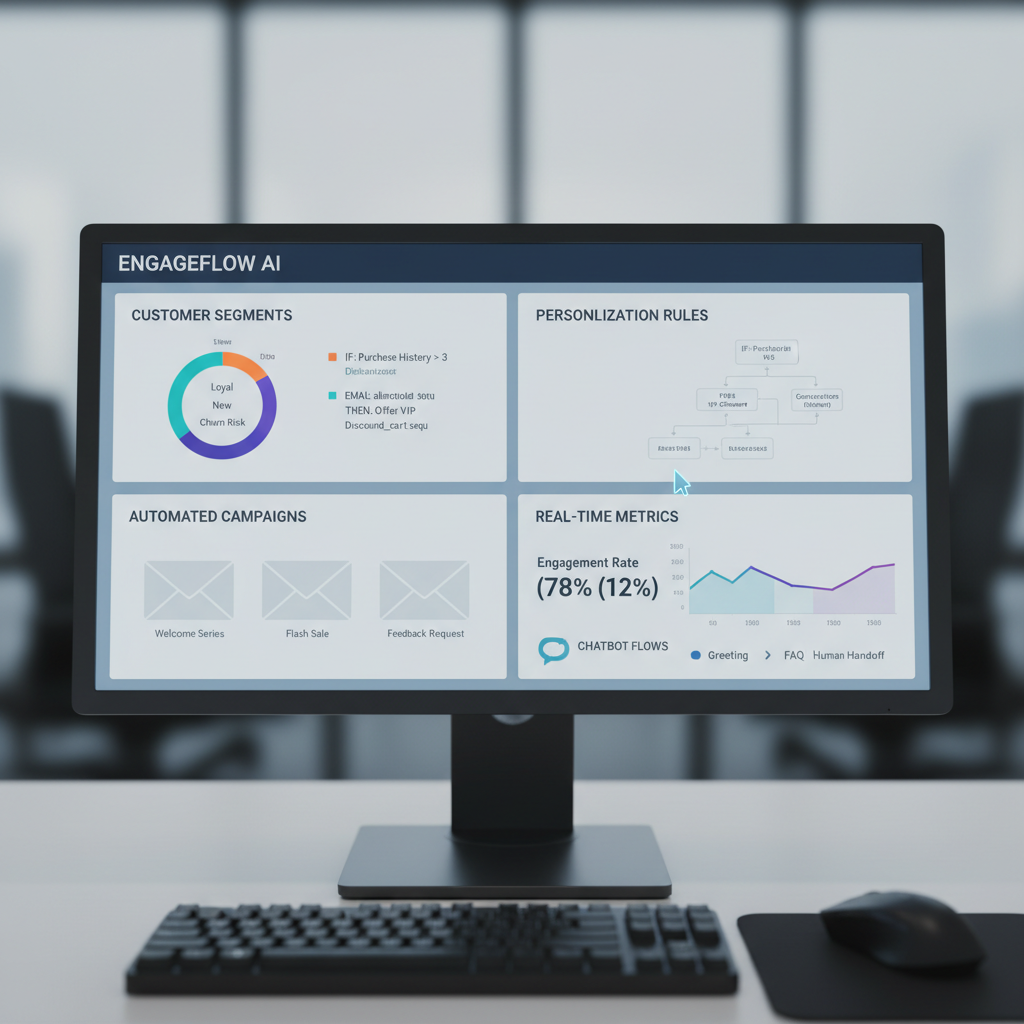
AI-driven personalization is a powerful tool for improving customer experience during peak seasons. By analyzing customer data, AI can help tailor marketing messages and product recommendations to individual preferences. This personalized approach can increase engagement and drive sales, making it a crucial element of any seasonal strategy.
Automating Marketing Campaigns
Automation is another area where AI can offer substantial benefits. AI-powered tools can automate various aspects of marketing campaigns, from email marketing to social media management. This not only saves time but ensures consistent and timely communication with customers, which is vital during busy seasons.
Implementing AI in Customer Support
During peak seasons, customer inquiries and support requests often increase. Implementing AI in customer support, such as chatbots or virtual assistants, can help manage this influx efficiently. AI can handle routine inquiries, allowing human agents to focus on more complex issues, thereby improving overall service quality.
Preparing Your Team for AI Integration
While AI offers numerous benefits, successful integration requires preparation and training. Ensuring your team is familiar with AI tools and understands how to leverage them effectively is crucial. Providing training sessions and resources can help your team adapt to new technologies and maximize their potential.

In summary, preparing for seasonal AI trends involves a combination of predictive analytics, personalization, automation, and efficient customer support. By leveraging these AI capabilities, businesses can enhance their operations, improve customer satisfaction, and ultimately drive growth.