
The Role of AI in Business: Trends and Innovations
Introduction to AI in Business
Artificial Intelligence (AI) is reshaping the way businesses operate, offering unprecedented opportunities for innovation and efficiency. From automating repetitive tasks to providing deep insights through data analysis, AI is becoming an integral part of modern business strategies. As technology evolves, companies must stay informed about the latest trends and innovations in AI to remain competitive.

Automation and Efficiency
One of the most significant impacts of AI in business is automation. AI systems can perform repetitive tasks, allowing employees to focus on more strategic activities. This not only enhances productivity but also reduces operational costs. Businesses across various sectors, including manufacturing, logistics, and customer service, are leveraging AI to streamline operations and drive efficiency.
Examples of Automation
- Chatbots: Used for customer support, providing 24/7 assistance and reducing response time.
- Robotic Process Automation (RPA): Automates mundane tasks such as data entry and processing.
- Supply Chain Management: AI optimizes inventory levels and predicts demand fluctuations.
Data-Driven Decision Making
AI's ability to analyze vast amounts of data allows businesses to make more informed decisions. By identifying patterns and trends, AI can provide valuable insights that were previously inaccessible. This data-driven approach is crucial for sectors like finance, healthcare, and marketing, where decisions have a significant impact on outcomes.

AI in Marketing
In marketing, AI plays a pivotal role in personalizing customer experiences. By analyzing consumer behavior, AI can tailor content and recommendations to individual preferences. This personalization increases customer engagement and conversion rates, making AI an indispensable tool for marketers.
Innovations in AI Technology
As AI technology advances, new innovations continue to emerge. Machine learning and natural language processing are at the forefront, enabling more sophisticated AI applications. These technologies are not only making AI more accessible but also expanding its potential across different industries.
Machine Learning and Its Impact
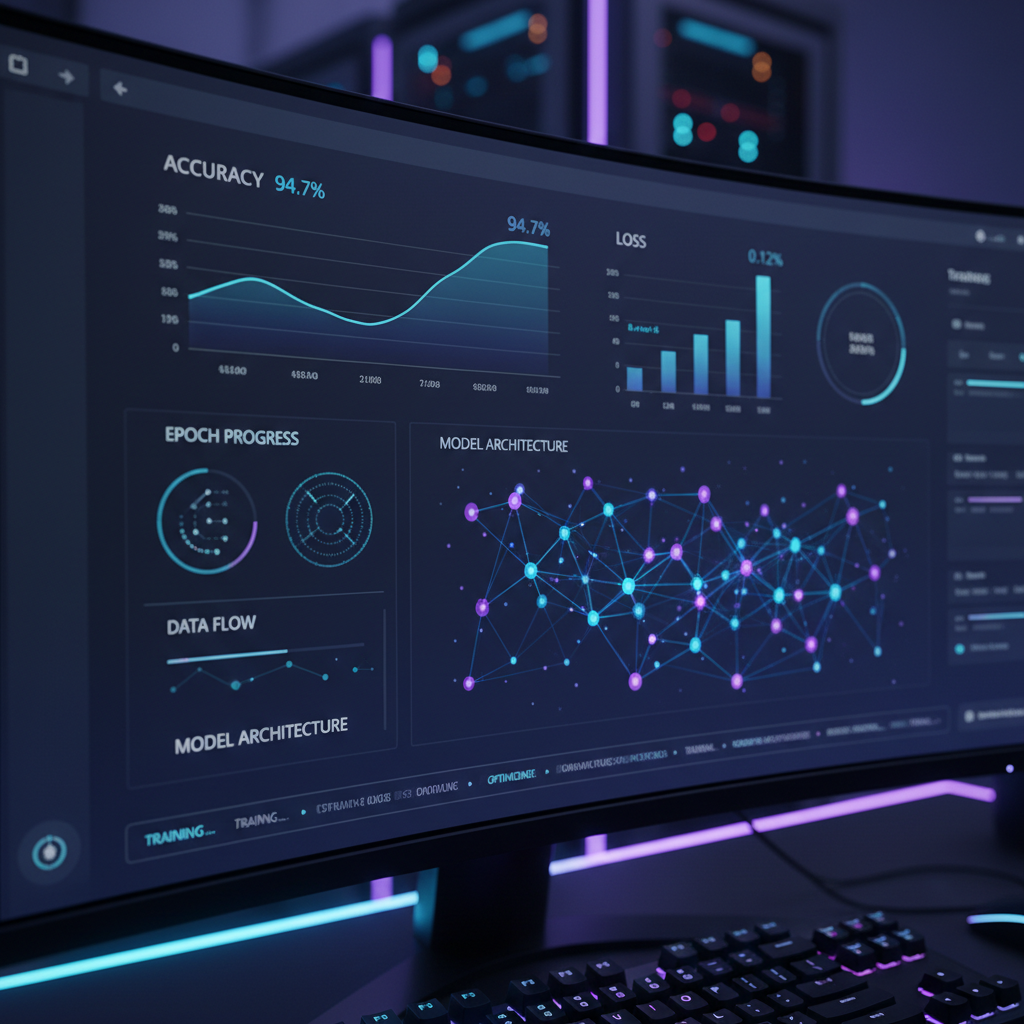
Machine learning, a subset of AI, focuses on the development of algorithms that allow computers to learn from and make predictions based on data. This capability is transforming industries by enhancing predictive analytics, fraud detection, and even product development.
Challenges and Considerations
While AI offers numerous benefits, it also presents challenges that businesses must address. Ethical considerations, data privacy, and the need for skilled personnel are critical factors to consider. Companies must implement robust policies and practices to ensure responsible AI usage.
Understanding and navigating these challenges will be essential for businesses aiming to harness the full potential of AI. By investing in training and development, organizations can prepare their workforce for an AI-driven future.
Conclusion
AI is undeniably transforming the business landscape, offering new opportunities and challenges. By embracing AI trends and innovations, companies can enhance their operations, improve decision-making, and deliver personalized customer experiences. Staying ahead in this rapidly evolving field is key to maintaining a competitive edge and achieving long-term success.